
The integrated TMD–Orthodontic–Airway diagnostic approach: The tongue, mandible, hyoid, and airway form an interconnected functional system. Alteration in mandibular position can influence tongue and hyoid posture, while altered tongue and hyoid function can affect airway patency and mandibular neuromuscular function. Therefore, airway, occlusion, mandibular position, and orofacial muscle function should be evaluated as related components rather than isolated anatomical structures.
One important qualification: this is a functional relationship, not a simple one-to-one cause-and-effect relationship. Airway size and obstruction are also affected by craniofacial anatomy, soft-tissue volume, nasal resistance, pharyngeal anatomy, body position, and neuromuscular tone.
They all work together for unlabored breathing.
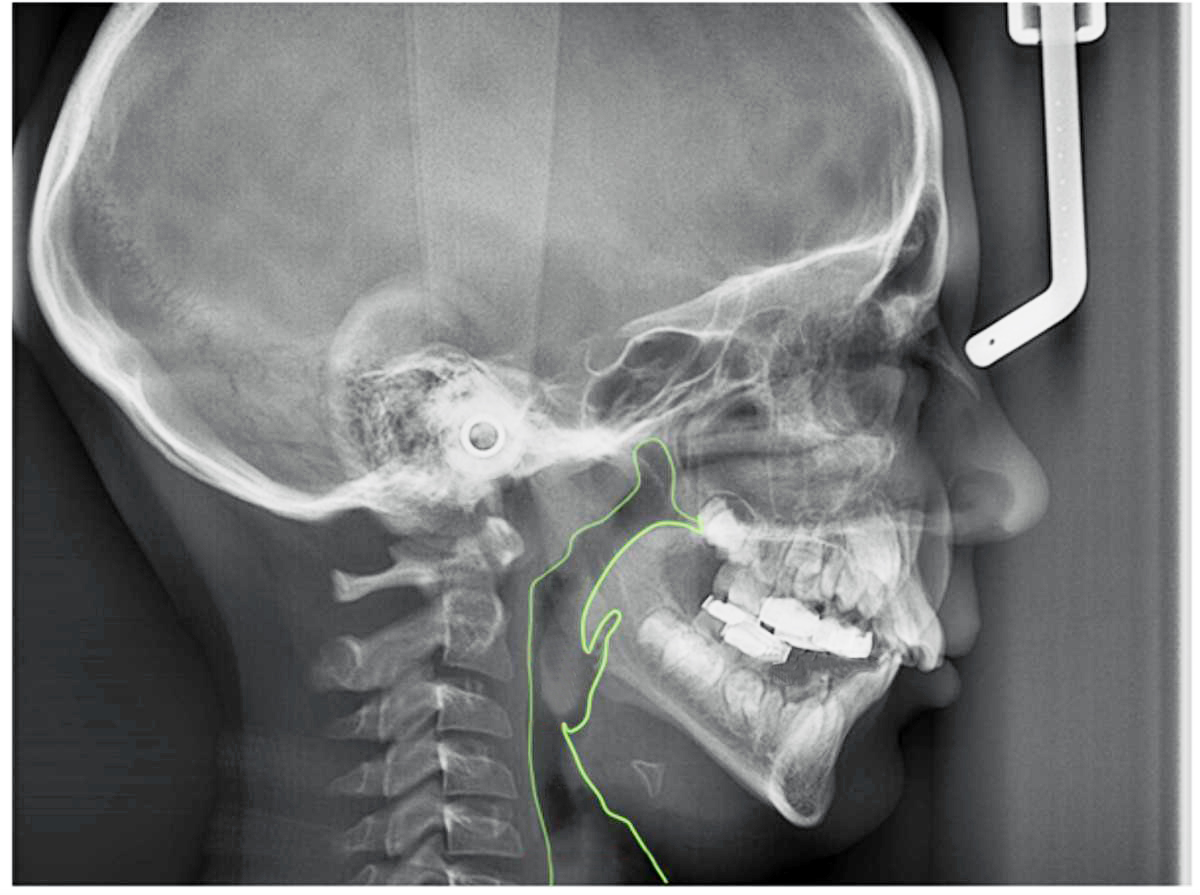
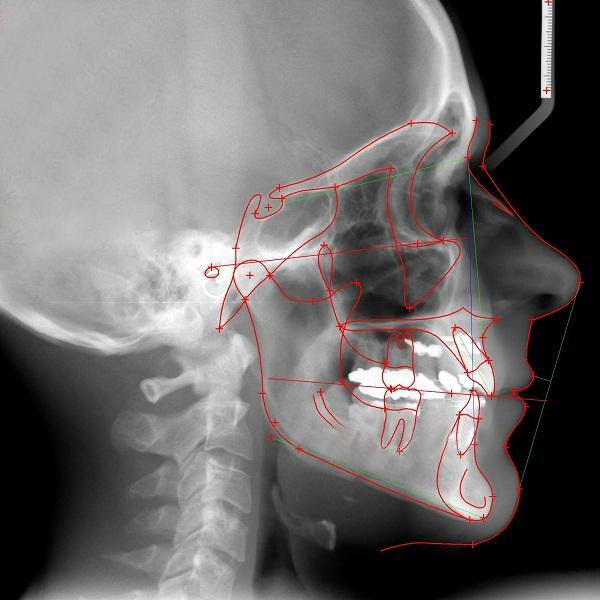
TMD, occlusion, and airway connection: Opinions remain controversial
Health care professionals can create unnecessary or unintended problems when complex oral conditions are approached as isolated individual structures rather than as an integrated functional system. The teeth, occlusion, temporomandibular joints, muscles, airway, craniofacial structures, and neuromuscular system are intimately interconnected, with changes in one component potentially affecting the function and stability of the others. Therefore, diagnosis and treatment should consider the oral complex as a whole, with structural relationships, functional interactions, and neuromuscular adaptation evaluated together.