Airway Diagnosis & Treatment Sequence
$1,500.00
Format:
Audience:
Teaching Method:
Instructor: Dr. Kenneth Lau
Treatment Protocol: Airway considerations
Acute and Chronic Protocols
At the Institute, we train clinicians to approach airway and TMD care as a structured diagnostic sequence — not a checklist of isolated symptoms. Students learn to evaluate each of the nine considerations below in order, understanding how findings at each stage inform and refine the diagnosis at the next. By the end of this module, students are equipped to build a complete functional picture of a patient's craniofacial and airway status and to translate that picture into a defensible treatment plan.
Diagnostic Order
The Diagnostic Order taught throughout our acute and chronic protocol curriculum.
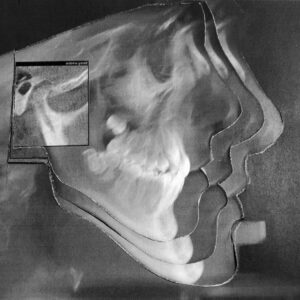
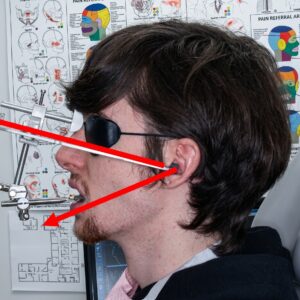
Mandibular/Condylar Functional Position
You will start by learning how to establish an accurate, repeatable resting and functional position of the mandible and condyles. Because every clinical finding that follows depends on this baseline, we focus on training you to assess and reproduce it precisely and consistently before you advance to complex protocols.
Students begin by learning to establish an accurate resting and functional position of the mandible and condyles. This is the foundational skill of the entire protocol: every finding that follows is interpreted in light of this position, so students are trained to assess it precisely and consistently before moving on.
Sleep-related Breathing Symptoms
You will learn to screen for key signs of sleep-disordered breathing—including snoring, witnessed breathing pauses, and daytime fatigue. We teach you to recognize exactly when these findings require elevated, airway-focused treatment alongside your standard TMD care.
Students learn to screen for signs and symptoms associated with sleep-disordered breathing — snoring, witnessed breathing pauses, daytime fatigue, and related complaints — and to recognize when these findings should elevate airway-focused treatment alongside TMD care.
Oral Habits
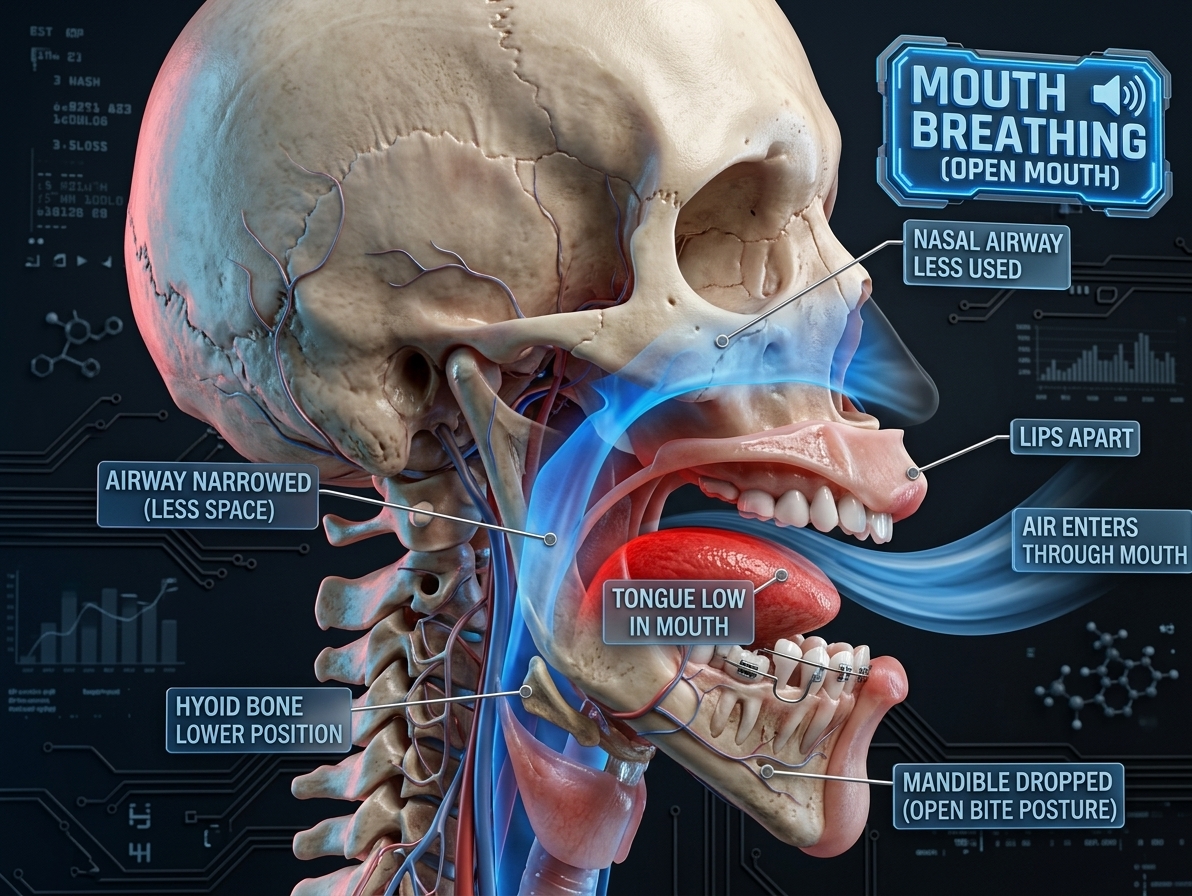
You will learn to identify key habits like mouth breathing, thumb sucking, and nail biting—and master the clinical reasoning needed to determine whether a habit is the underlying cause or a consequence of your patient's functional pattern.
Coursework covers how to identify habits such as mouth breathing, thumb or finger sucking, and nail biting, and how to reason about whether a given habit is a cause or a consequence of the underlying functional pattern being diagnosed.
Tongue posture and muscle function
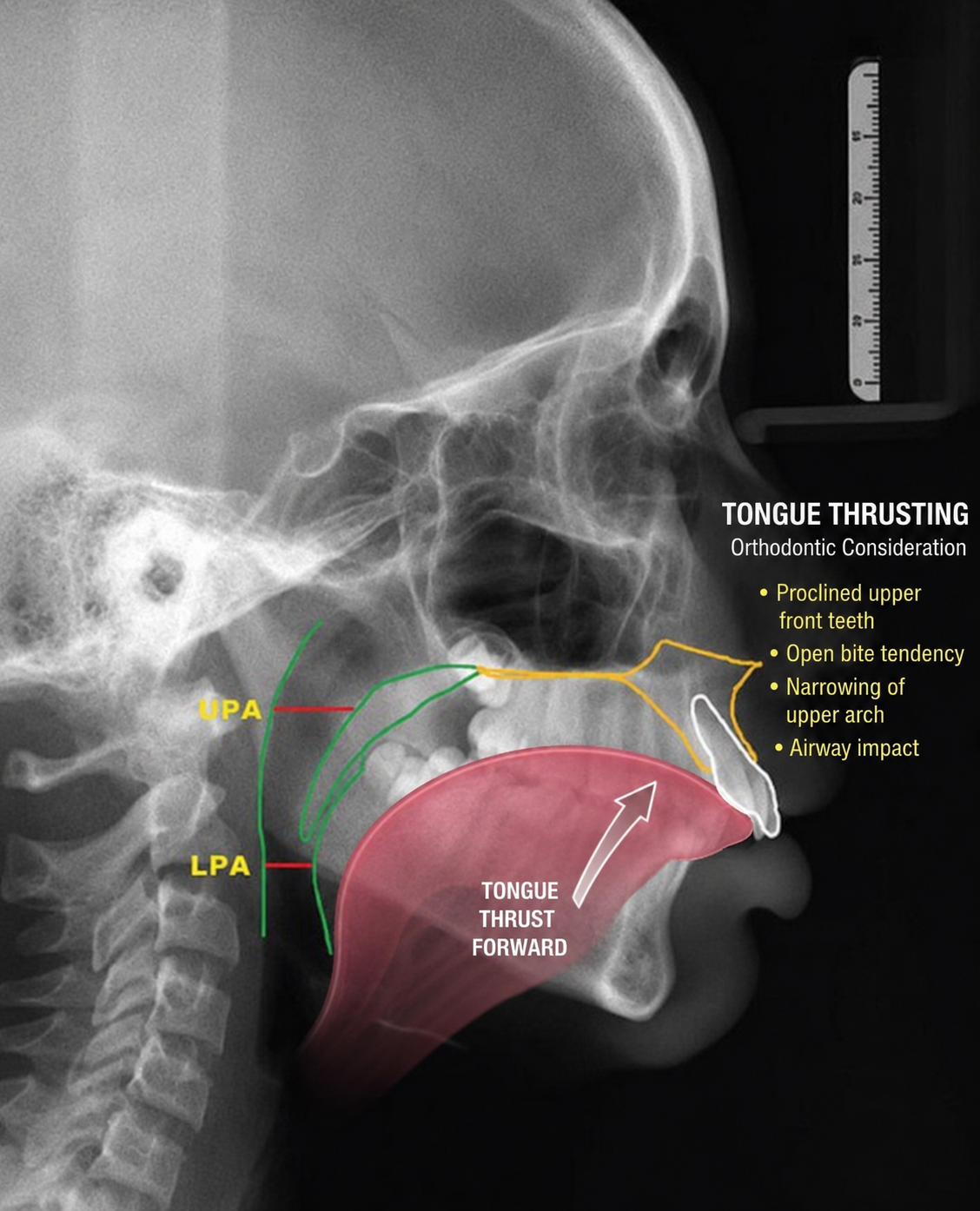
You will learn to assess resting tongue posture and orofacial muscle function, mastering their vital role in maintaining airway space and supporting proper growth. We train you to uncover this frequently overlooked link between TMD symptoms and airway restriction—a core focus of our curriculum.
Students are trained to assess resting tongue posture and orofacial muscle function and to understand their role in maintaining airway space and supporting proper craniofacial growth. This is one of the most commonly overlooked links between TMD symptoms and airway restriction, and a core focus of the curriculum.
Nasal Breathing
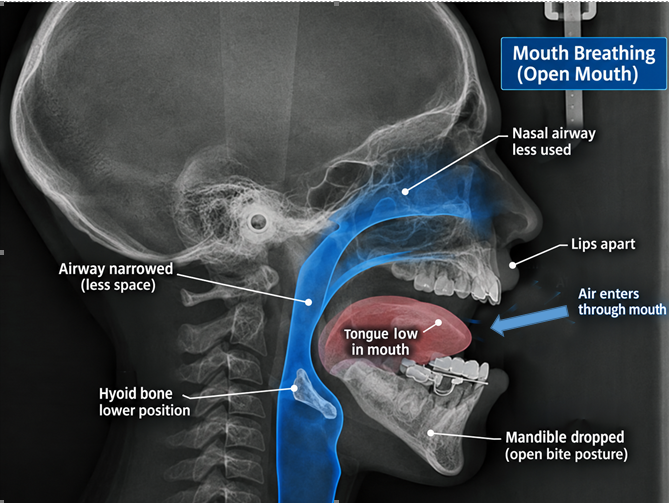
You will learn to clearly distinguish between nasal and oral breathing patterns. We train you to connect chronic mouth breathing to its cascade of downstream effects—including altered tongue posture, muscular imbalances, and compromised skeletal development.
Students learn to distinguish nasal from oral breathing patterns and to connect chronic mouth breathing to its downstream effects on tongue posture, muscle balance, and skeletal development.
Hyoid
You will learn to use hyoid bone position as a key indicator of airway and muscular balance. We show you how to leverage this vital data point to accurately interpret the complex interactions between your patient's soft-tissue and skeletal structures.
The curriculum covers hyoid bone position as an indicator of airway and muscular balance, giving students another data point for interpreting how soft-tissue and skeletal structures interact in a given case.
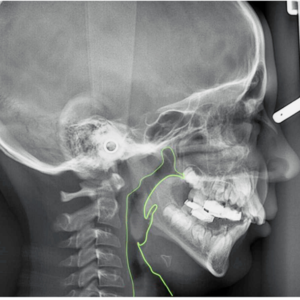
Pharyngeal Airway
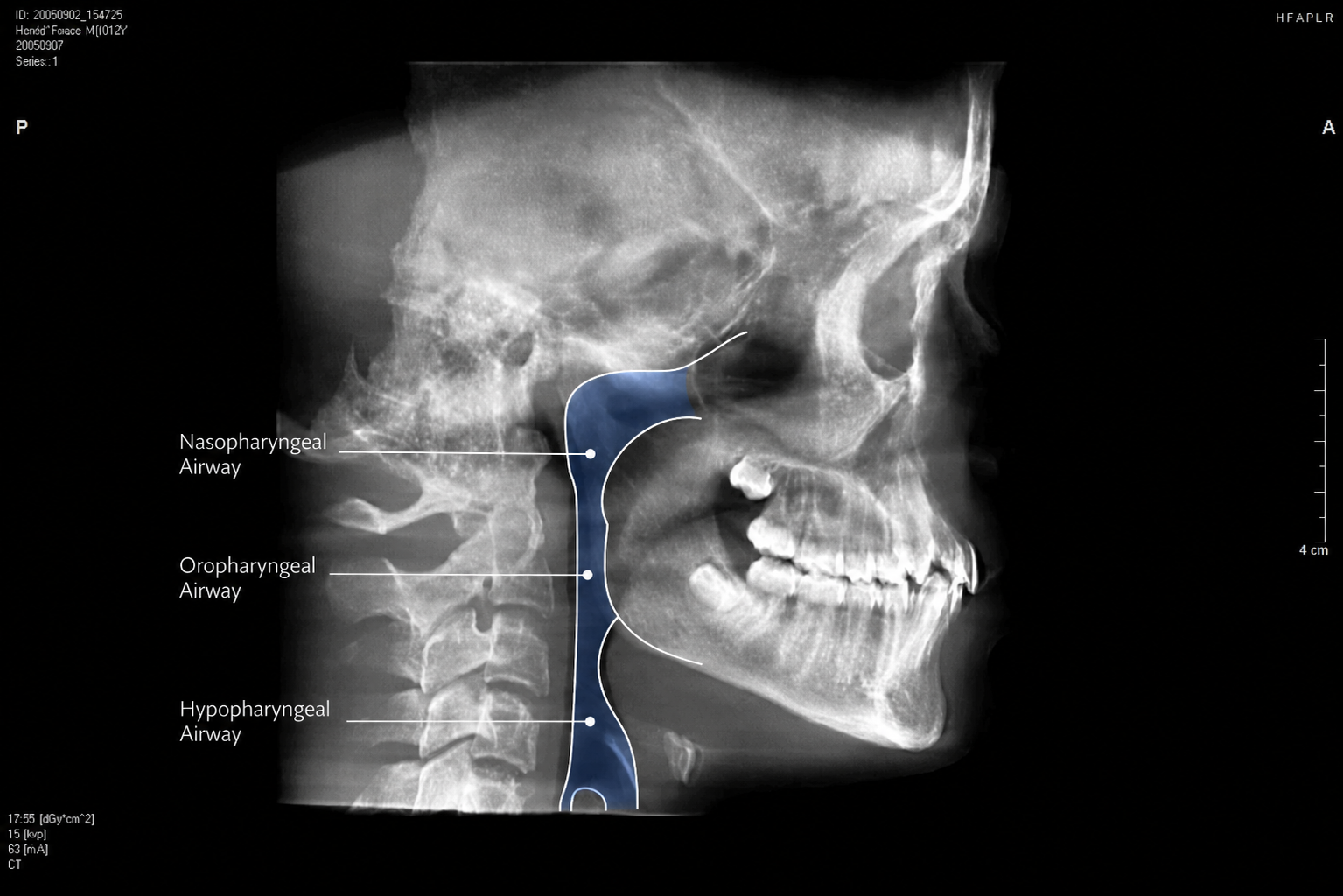
Students are trained in direct evaluation of the pharyngeal airway space, typically supported by imaging, to assess airway volume and identify areas of restriction — a skill central to airway-focused diagnosis.
Soft-Tissue Anatomy
Coursework reviews the tonsils, adenoids, and surrounding soft-tissue structures, teaching students to recognize their impact on airway patency and how they factor into the overall diagnostic picture.
Evaluation of Overbite, Overjet, and Open Bite
Finally, students learn to measure occlusal relationships and interpret them in context — not as a standalone orthodontic finding, but as the culmination of everything assessed earlier in the sequence.
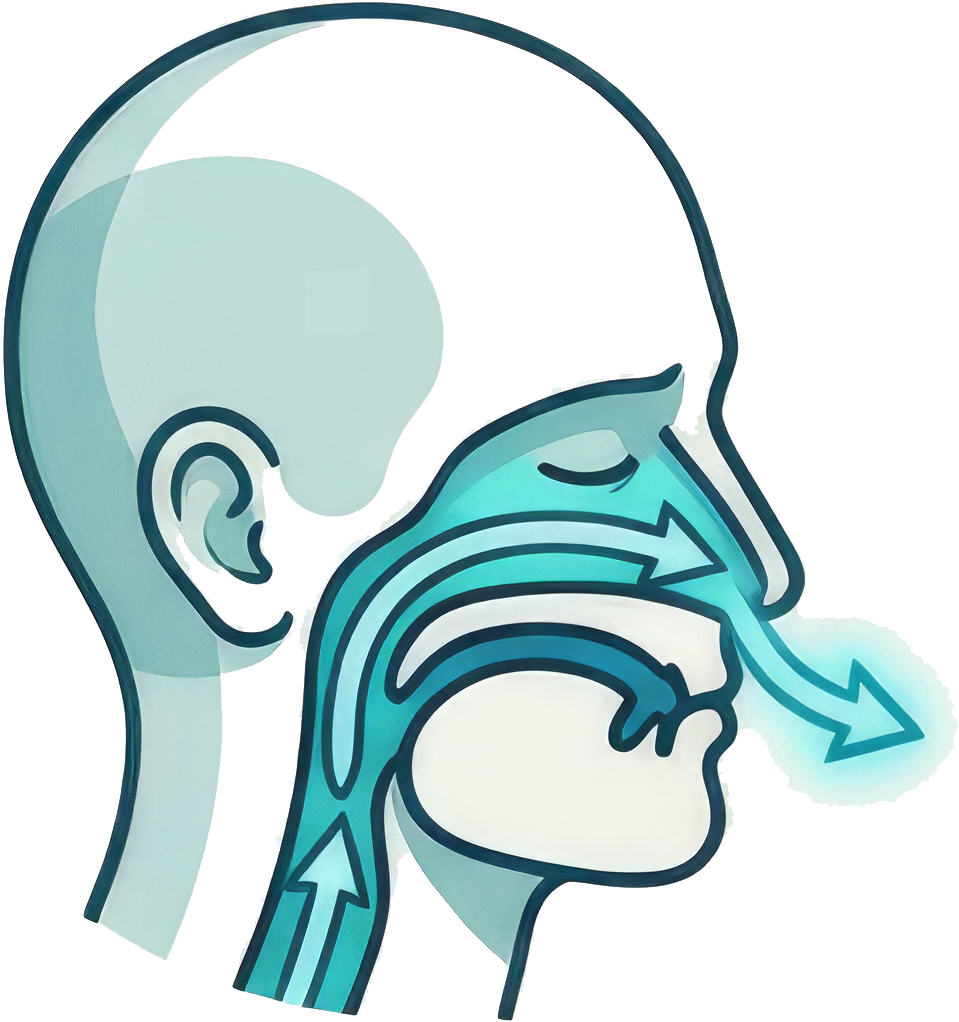
Airway Mandibular Position
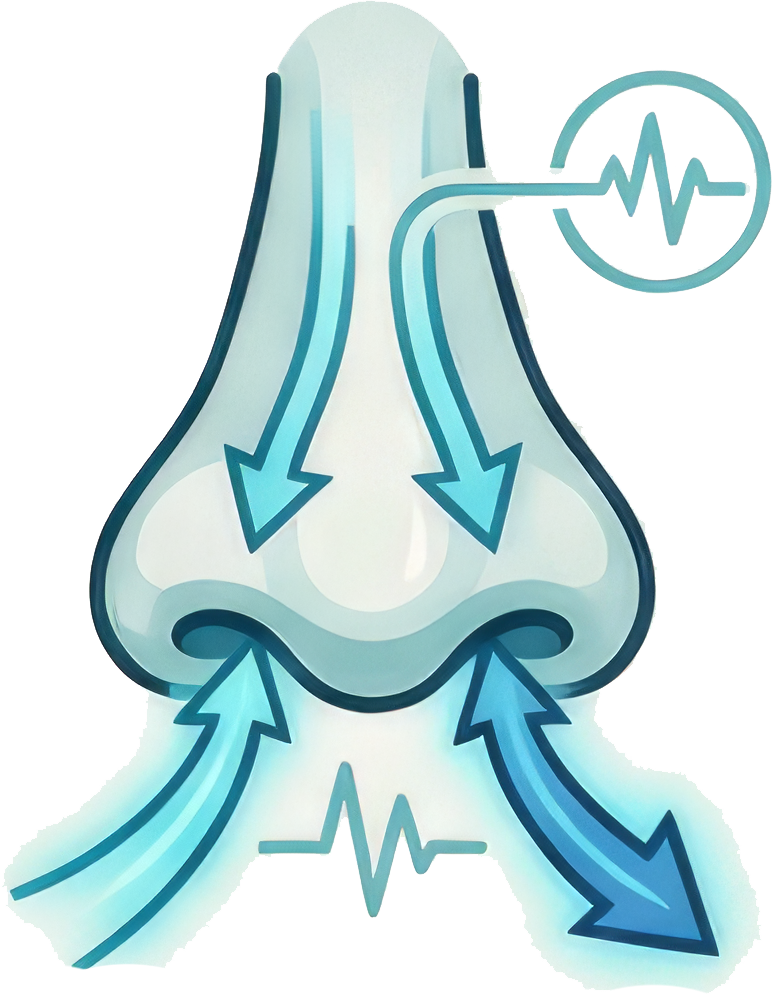
Nasal Breathing
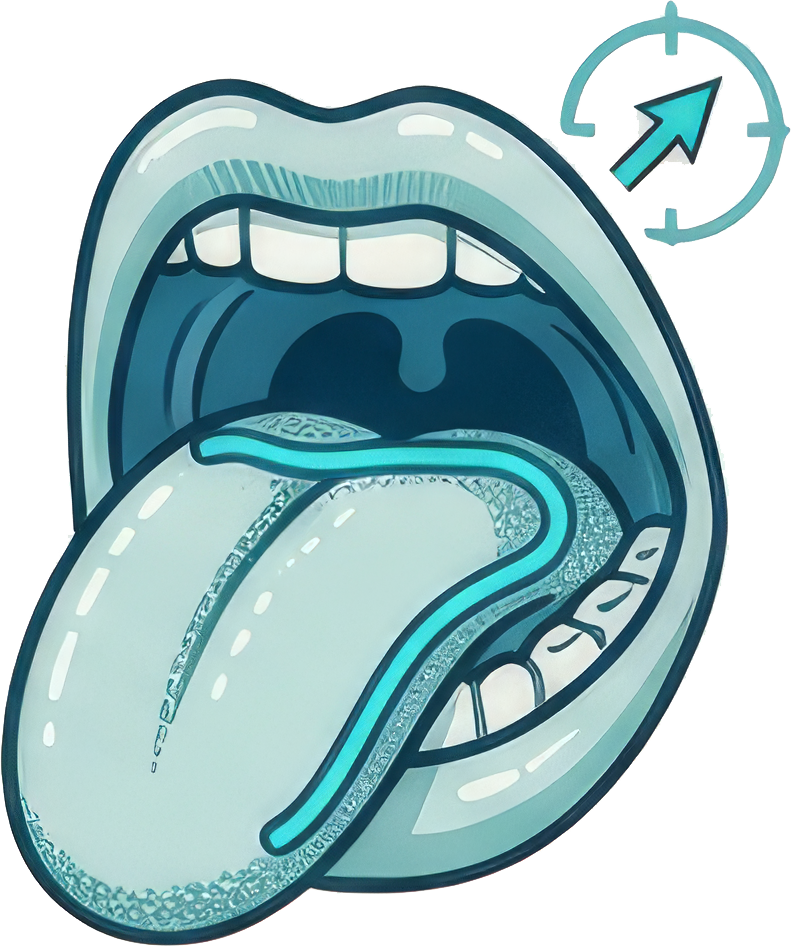
Tongue
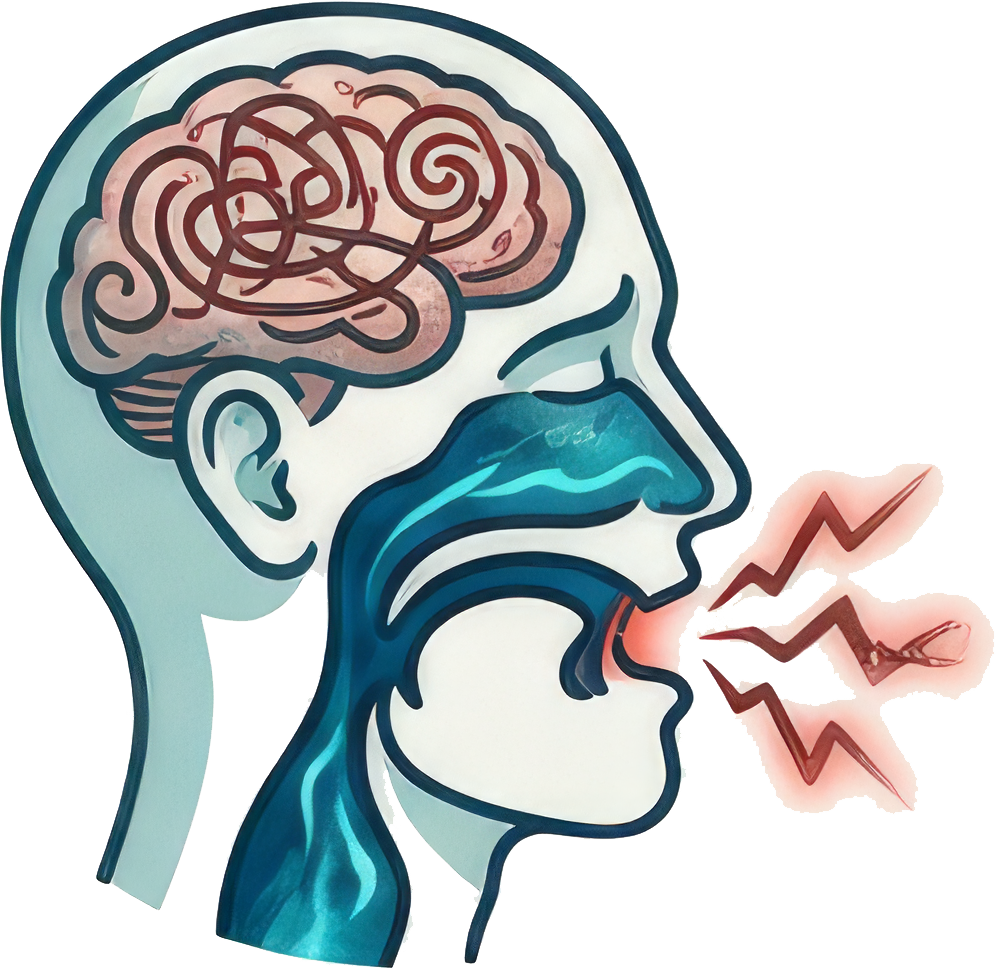
Nasal/Mouth Breathing
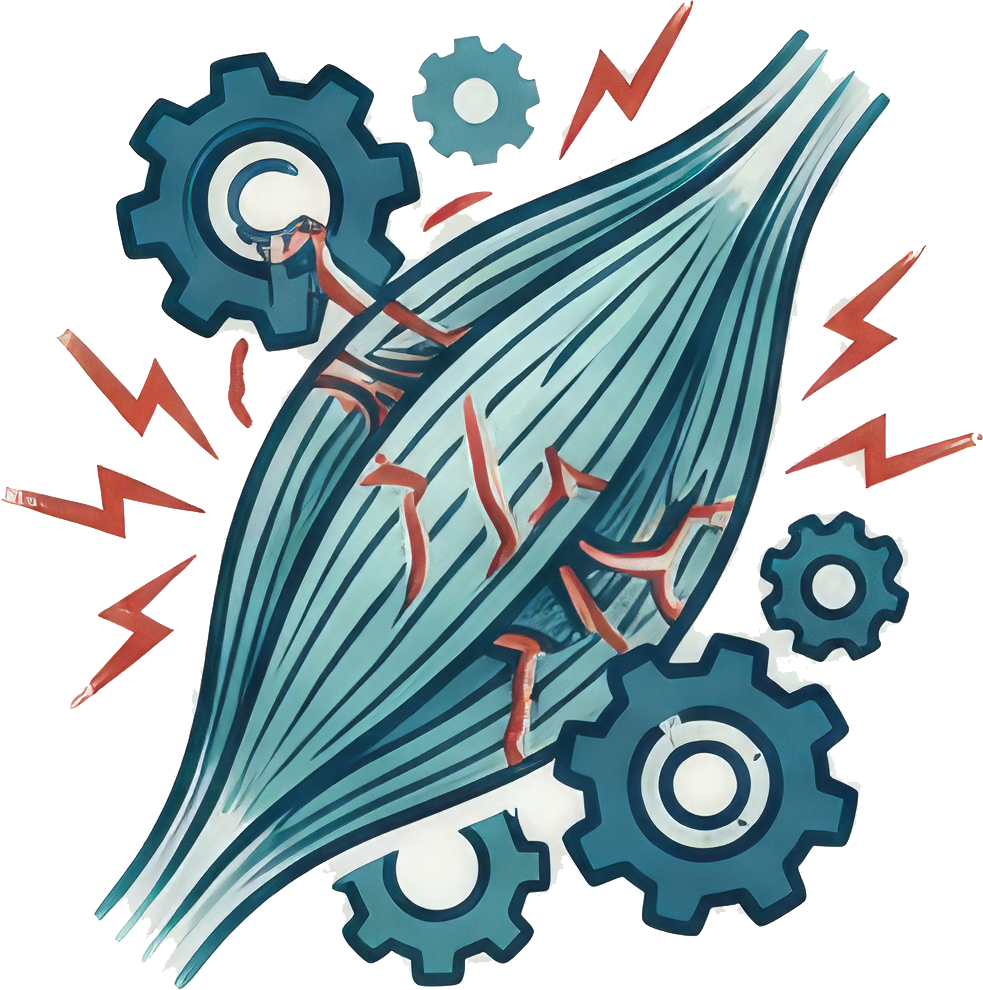
Neuro Muscle Function
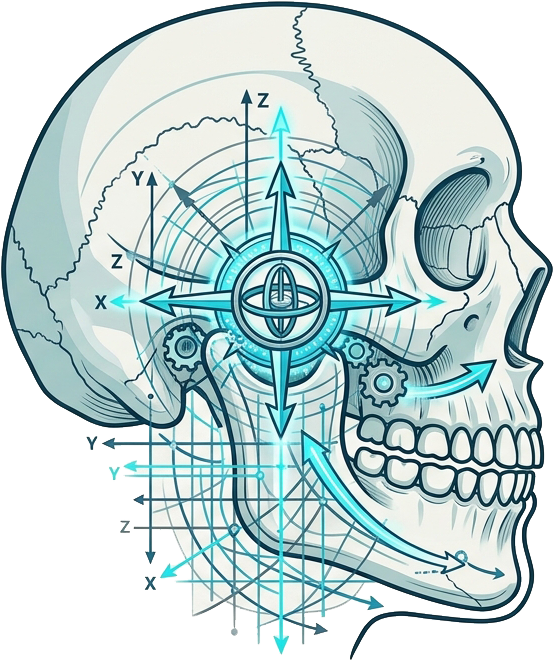
Muscular skeletal Position
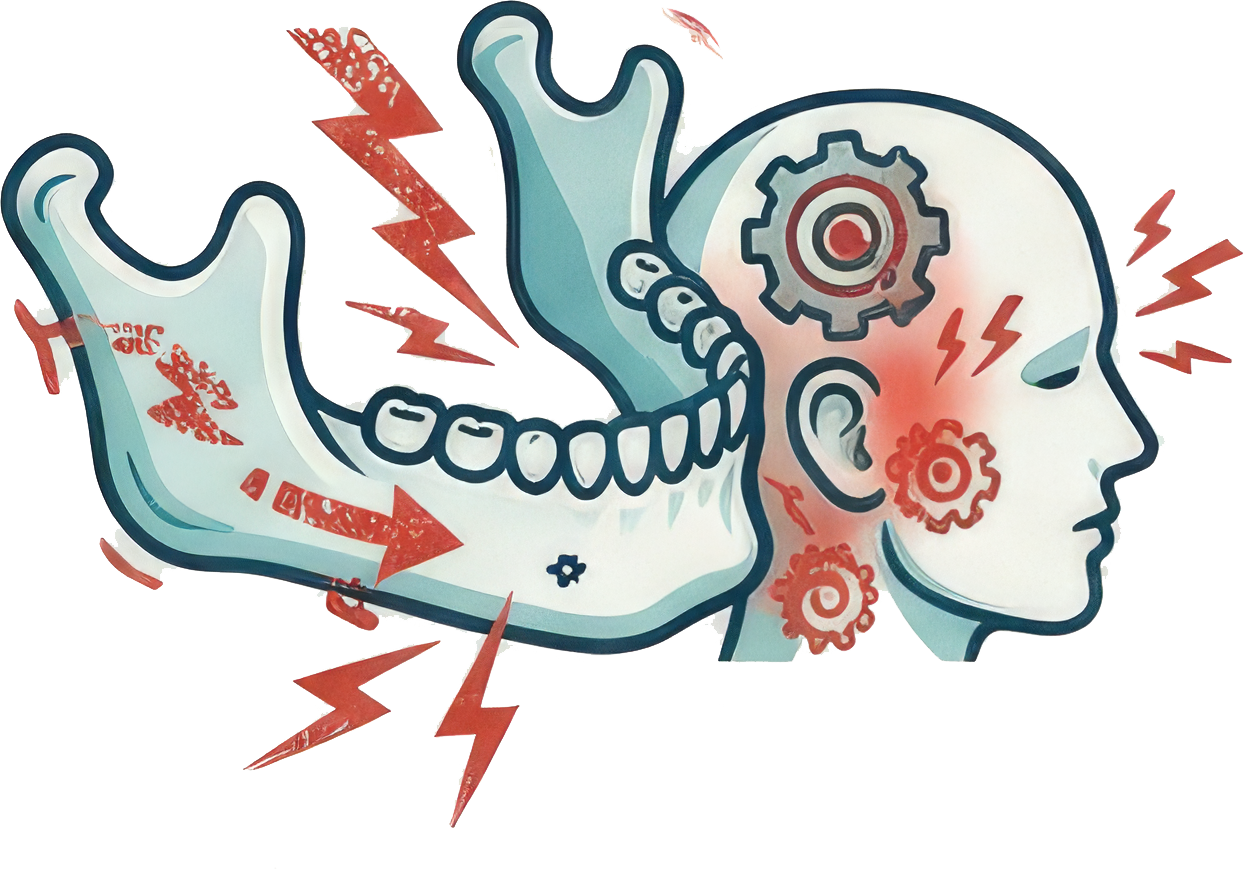
Chronic Pain

Sleep-related Breathing Disorders