TMD Class II Malocclusion
$5,000.00
Format:
Audience:
Teaching Method:
Instructor: Dr. Kenneth Lau
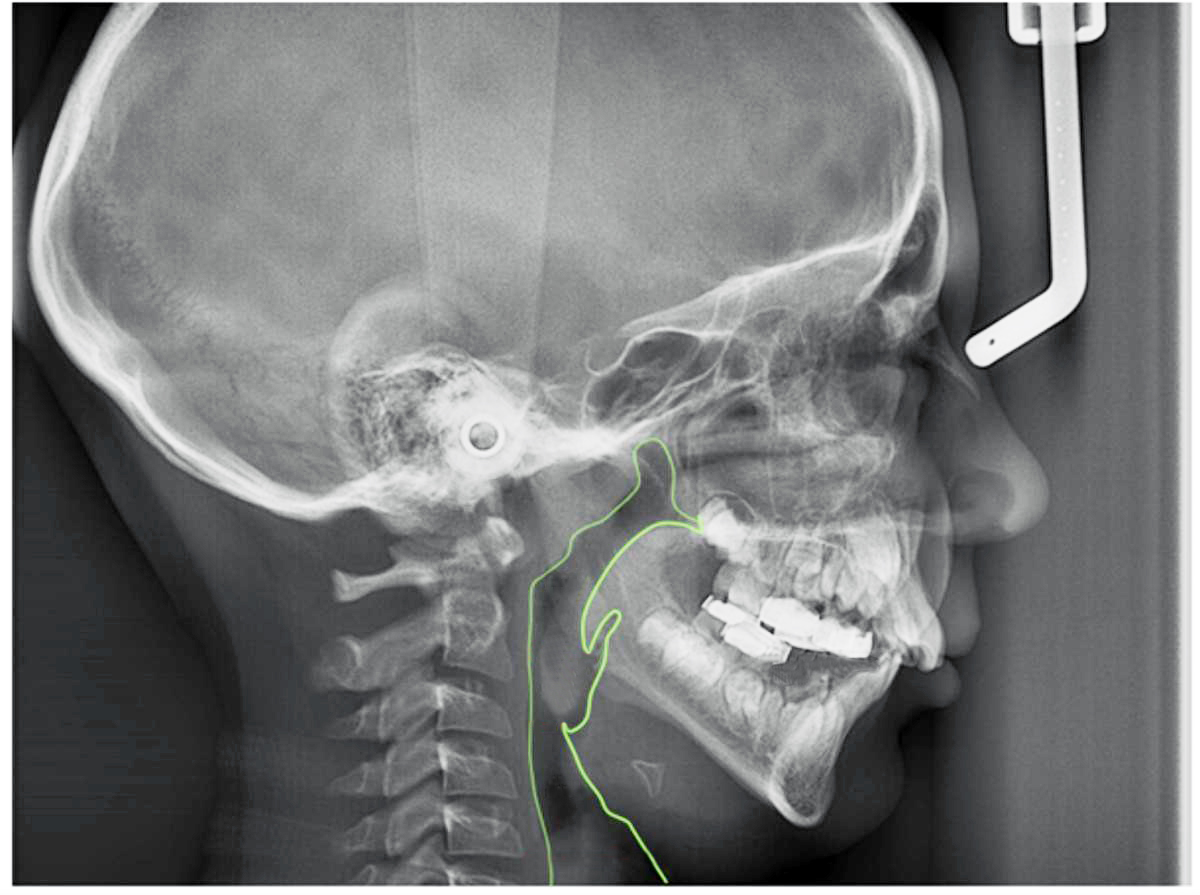
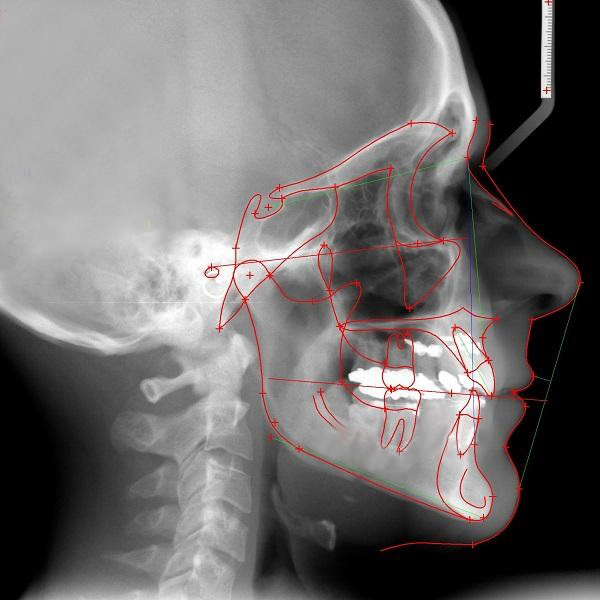
TMD, Class II malocclusion, and airway function should not be viewed as three separate problems. They can be functionally interconnected through the mandible, temporomandibular joints, tongue, muscles, occlusion, and craniofacial skeletal relationships. Treatment that changes one component can influence the others.
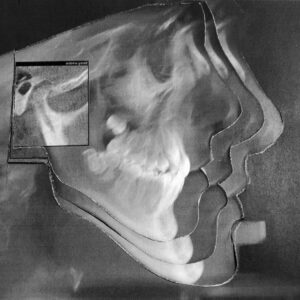
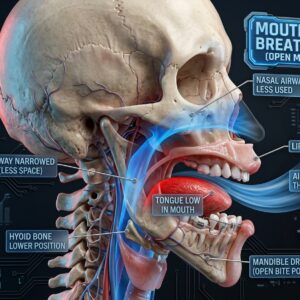
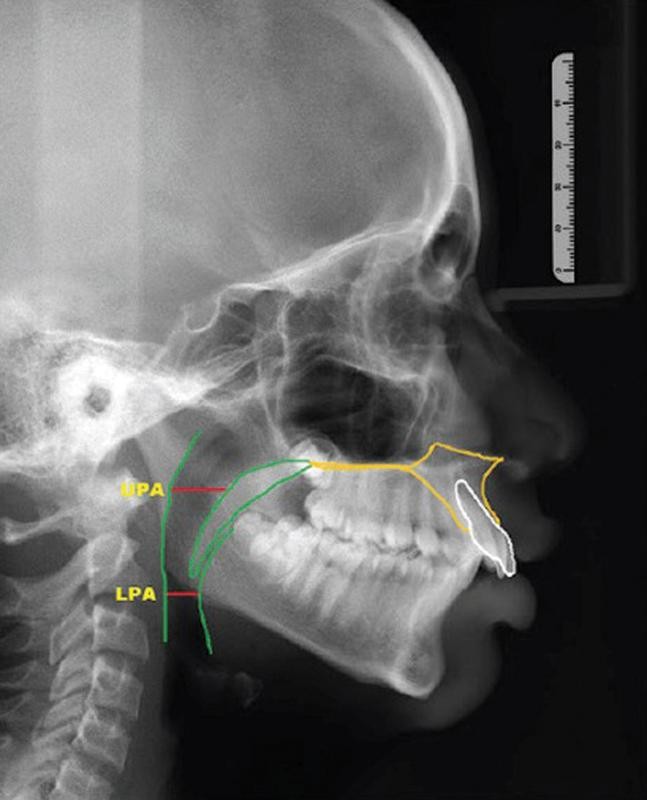
A Class II relationship often involves a mandible positioned relatively posteriorly to the maxilla. In some patients, a retruded mandibular position can be associated with:
- Compressed Posterior joint space
- Reduced posterior oral space
- A more posterior tongue position
- Reduced retro lingual airway dimensions
- Increased dependence on compensatory muscle activity
- Swallow with the throat muscles
- Greater tendency toward mouth breathing or sleep-disordered breathing in susceptible patients
Noted: Class II malocclusion by itself does not establish that a patient has an airway disorder. Airway assessment should consider nasal obstruction, skeletal anatomy, tongue posture, soft tissues, sleep history, and other contributing factors.