Orofacial Muscle
Function and Relationship To The Airway
The orofacial muscles play a critical role in maintaining airway patency, mandibular position, tongue posture, swallowing, speech, and breathing. The tongue, lips, cheeks, suprahyoid and infrahyoid muscles, masticatory muscles, and associated cervical muscles function as an integrated neuromuscular system. Dysfunction in one part of this system can influence the position and function of the others.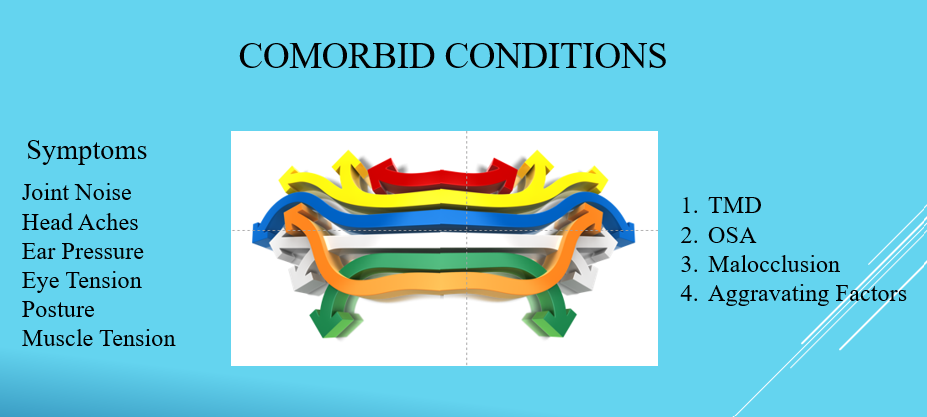
During nasal breathing at rest, the lips are generally competent, and the tongue rests against the palate, providing an important neuromuscular influence on the maxilla and mandible. This posture helps maintain the tongue away from the posterior pharyngeal airway while supporting normal oral and craniofacial function.
When nasal breathing is compromised, a person may adopt mouth breathing. The lips may separate, the mandible may rotate downward and/or backward, and the tongue may assume a lower or more posterior position. These changes can reduce the available upper-airway space and alter the activity of the muscles responsible for mandibular and cervical stabilization. During sleep, reduced neuromuscular tone can further contribute to posterior displacement of the tongue and narrowing of the pharyngeal airway in susceptible individuals.