TMD & Orthodontic Functional Diagnosis
Format: 3-Day Intensive Clinical Seminar
Audience: Dentists, orthodontists, and healthcare professionals interested in TMD function.
Teaching Method: Lecture • Demonstration • Hands-on exercises • Case analysis • Treatment planning • Case discussion
WHY THIS COURSE IS DIFFERENT
Most Courses Teach You What to Look At. We Teach You How to Put It Together.
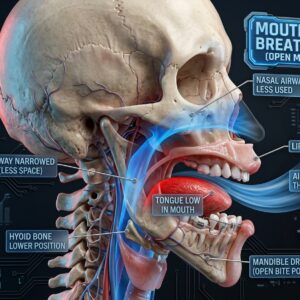
TMD Function cannot be understood by examining teeth alone. This program emphasizes the functional relationships among the TM joint, mandible, occlusion, muscles, airway, and craniofacial structures.
Rather than treating isolated findings, you will learn a systematic approach to identifying the relationships that may influence diagnosis and treatment.
LIMITED ENROLLMENT
To preserve the quality of hands-on instruction, case analysis, and individualized treatment-planning discussion, enrollment is limited.
This is an opportunity to learn in an environment where clinical questions can be discussed directly and diagnostic concepts can be applied—not simply presented.
Course Objectives
At the completion of the course, participants should be able to:
- Understand the functional relationship between the TM joint, mandible, occlusion, muscles, airway, and craniofacial structures.
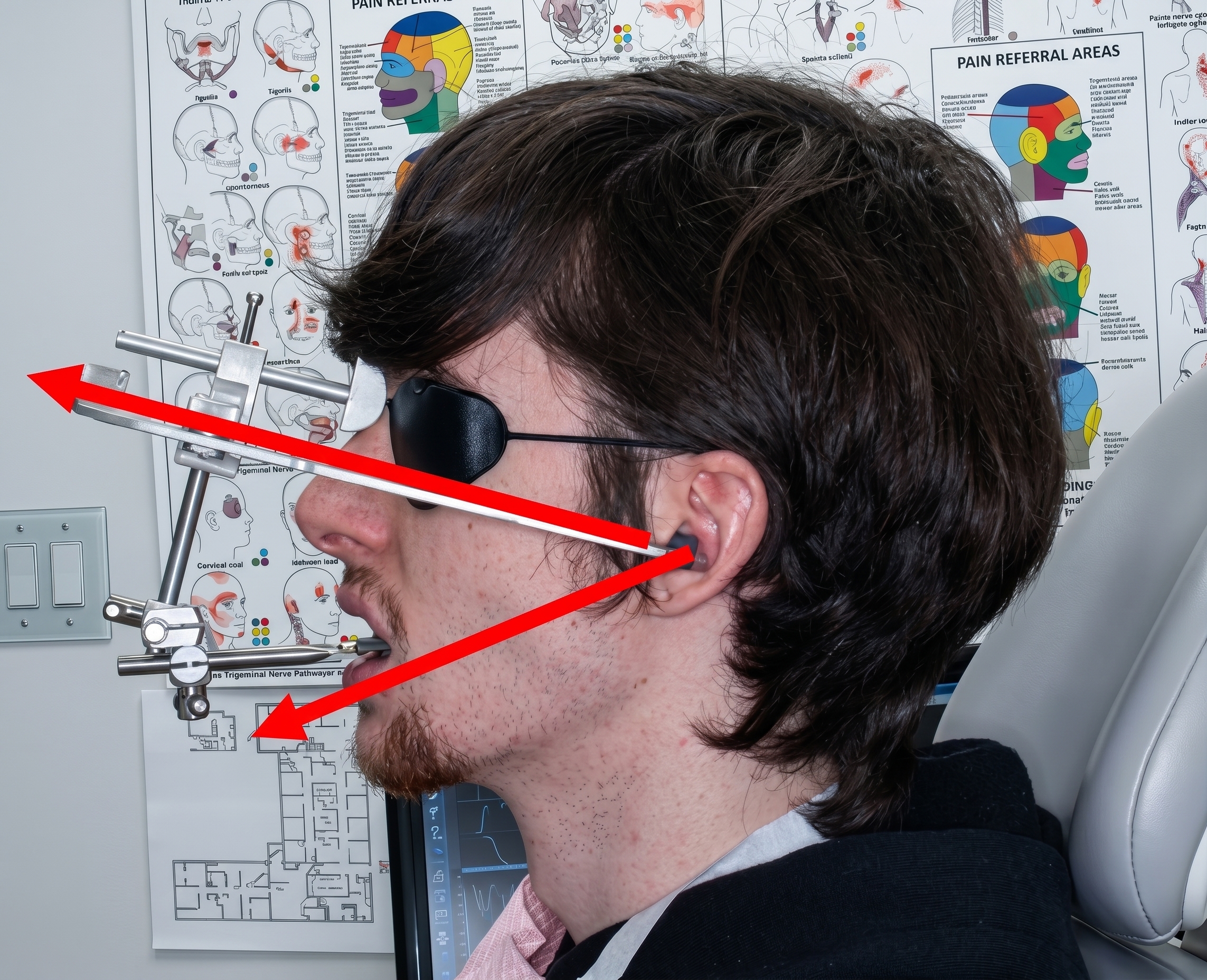
- Perform a systematic TMD and functional examination.
- Evaluate mandibular and condylar functional position.
- Recognize clinical and radiographic signs associated with TM joint dysfunction.
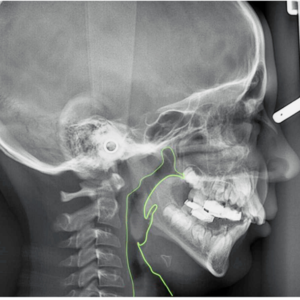
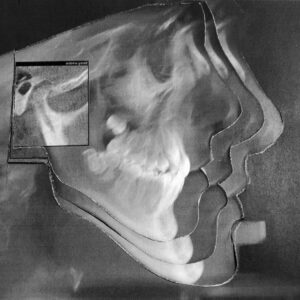
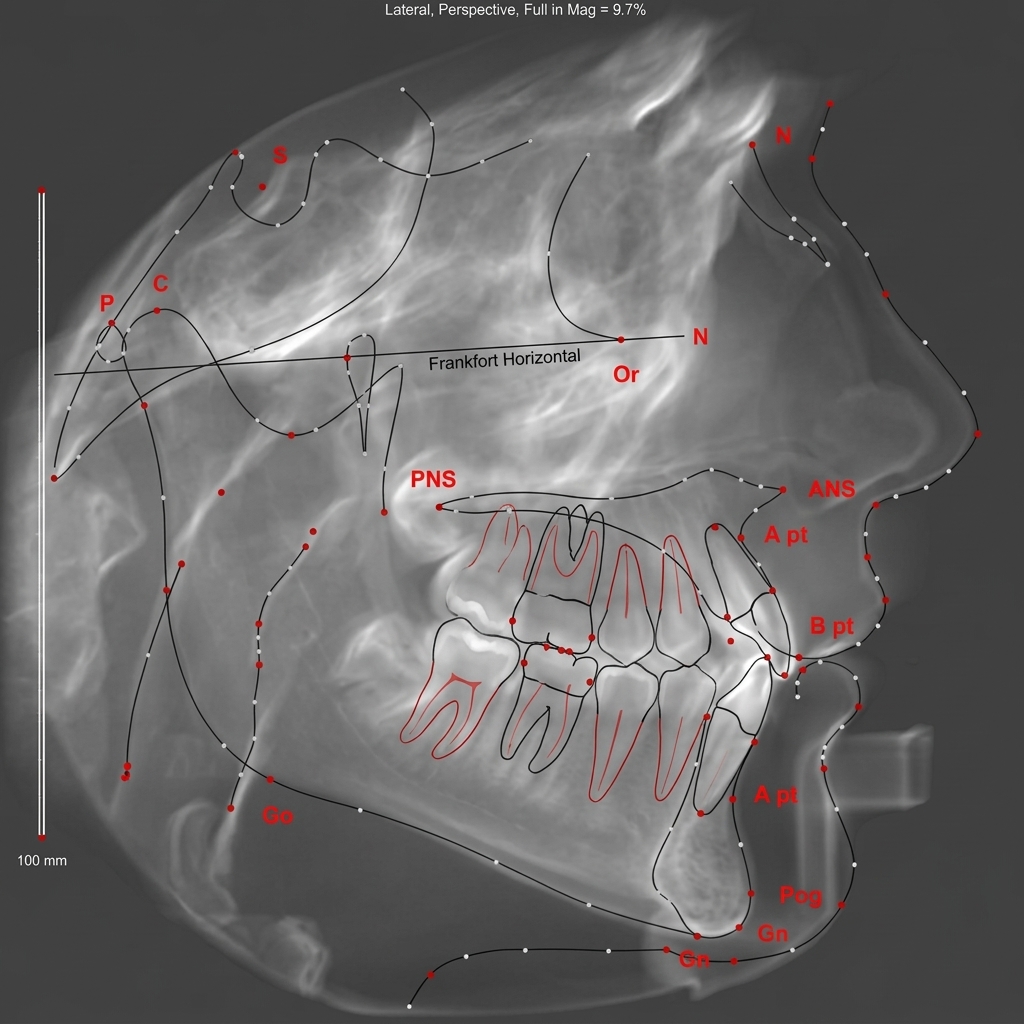
- Use CBCT and cephalometric information as components of comprehensive diagnosis.
- Evaluate occlusal dysfunction and its relationship to mandibular function.
- Understand the principles of orthotic therapy and condylar decompression.
- Determine when orthotic therapy, orthodontics, myofunctional therapy, or referral may be appropriate.
- Develop an integrated treatment plan for TMD and orthodontic patients.
- Apply the diagnostic and treatment-planning process to actual patient cases.