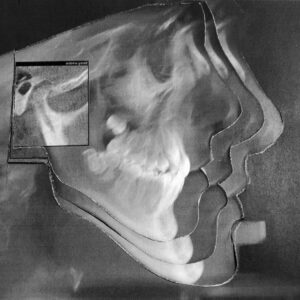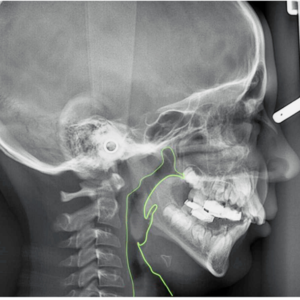
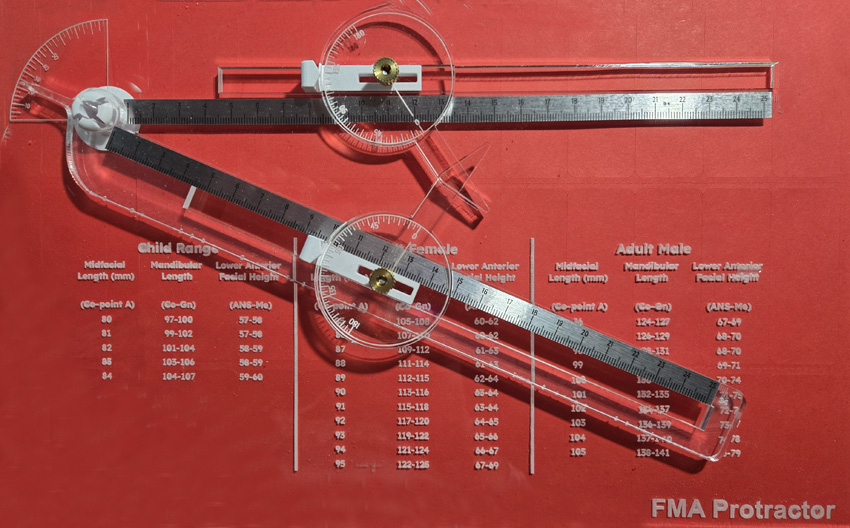
Cephalometric Analysis
$5,000.00
Duration: 1 day — 8:30 AM–5:00 PM Format: Lecture + demonstration + hands-on workshop + case analysis Designed for: general dentists, orthodontists, residents, and clinicians interested in functional orthodontics, airway, and diagnosis.
Learning Objectives: By the end of the course, participants should be able to:
- Understand the purpose and limitations of cephalometric analysis.
- Identify the major skeletal, dental, and soft-tissue landmarks.
- Perform accurate cephalometric tracing.
- Understand the significance of horizontal and vertical skeletal relationships.
- Evaluate maxillary and mandibular position.
- Evaluate incisor position and inclination.
- Assess facial growth pattern and vertical dimension.
- Evaluate the relationship between occlusion, mandibular position, and facial structures.
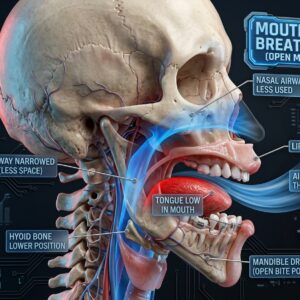
- Recognize cephalometric findings that may relate to airway and functional problems.
- Integrate cephalometric findings into a comprehensive treatment plan.
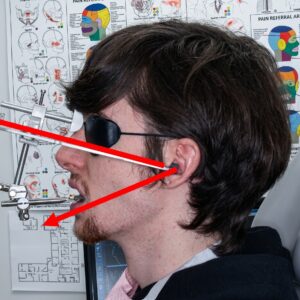
- Learn the use of the FMA Protractor.