
Dr. Isabella S. M. Wang
Co-Founder
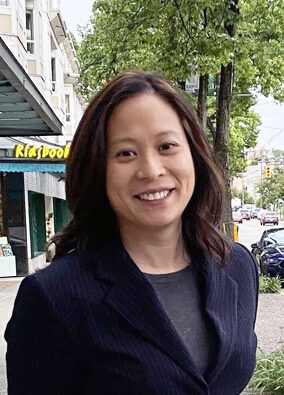
Dr. Isabella S. M. Wang brings a unique clinical perspective to the Institute through her experience in assessing and managing complex temporomandibular disorders (TMD). Her work focuses on the interaction among oral and craniofacial structures, somatic findings, afferent sensory input, neuromuscular function, and the clinical presentation of complex TMD patients.
The Institute's goal is not simply to promote new clinical concepts, but to provide a structured environment in which they can be observed, documented, tested, evaluated, and progressively refined.
An important principle will be maintained throughout this process: clinical observations, proposed mechanisms, and emerging hypotheses must be clearly distinguished from scientifically established conclusions. This distinction will allow Dr. Wang's clinical work to develop within a disciplined framework of documentation and scientific inquiry while protecting the Institute's long-term academic and scientific credibility.
Clinical TMD & Airway Frameworks Developed by Dr. Wang

SOSATP — Systematic Oral Somatic Assessment Treatment Protocol
A developing therapeutic framework that explores the potential contribution of neurological and neuromuscular burdens to complex TMD presentations and clinical symptoms.
CNBT — Clinical Neurological Burden Therapy
A developing therapeutic framework that explores the potential contribution of neurological and neuromuscular burdens to complex TMD presentations and clinical symptoms.
Responsibilities
As Co-Founder and Director of Somatic & Neuromuscular TMD Medicine, Dr. Wang will lead the Institute's efforts to:
Codify
Codify clinical observations and treatment protocols into structured methodologies.

Document
Document clinical findings and patient outcomes systematically.

Teach
Teach assessment and treatment concepts to qualified clinicians.
Evaluate
Evaluate the reliability, reproducibility, and clinical usefulness of these approaches.
Research
Research the relationships among somatic findings, sensory input, neuromuscular function, occlusion, and TMD.
Refine
Refine the protocols as clinical experience and scientific evidence develop.