
The TMD and Air-way Connection
How can mandibular position affect airway dimensions?
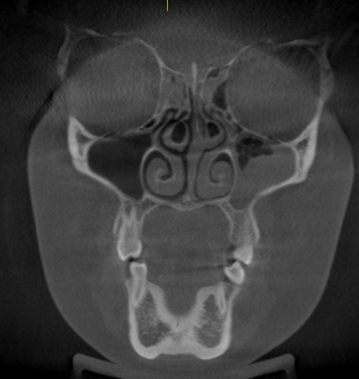
Anatomical Assessment(Diagnosis)
Mandibular position can influence airway dimensions because the tongue and hyoid musculature are mechanically related to the mandible. Posterior mandibular positioning may reduce airway dimensions in some individuals, while mandibular advancement can increase airway dimensions in many patients. However, the magnitude and clinical significance vary considerably among individuals.
Posterior displacement of the mandible during sleep may carry the tongue backward, reducing the posterior airway space and contributing to upper-airway
obstruction and obstructive sleep apnea.
How airway function may influence mandibular posture?
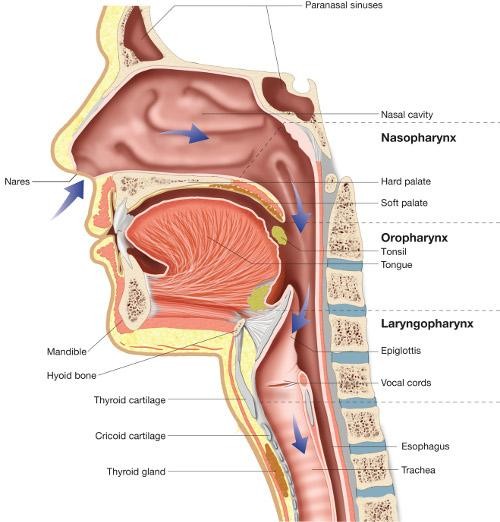
Functional Analysis(TMD/Airway Analysis)
When the nasal airway narrows or becomes obstructed—due to sinusitis, influenza, nasal congestion, or other nasal blockages—normal nasal breathing may become difficult, leading the individual to breathe predominantly through the mouth. Mouth breathing can alter mandibular posture, allowing the mandible and tongue to move posteriorly and potentially reducing the dimensions of the upper airway. This may further increase airway resistance and compromise breathing. As the airway becomes progressively narrower, greater inspiratory effort is required to maintain adequate airflow. The increased airflow velocity and resistance may produce turbulent airflow and contribute to noisy or labored breathing, including wheezing and/or other abnormal respiratory sounds.
Tongue, mandible, hyoid, and airway relationships
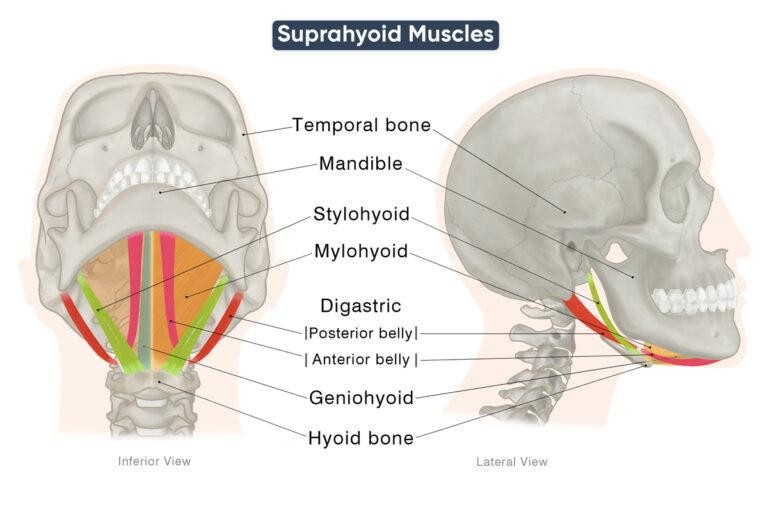
Integrated Care(FMA Orthodics)
The tongue, mandible, hyoid bone, and airway function as an interconnected anatomical and neuromuscular system. Changes in the position or function of one can influence the others, particularly during swallowing, speech, posture, and sleep.